


Practical Measurement for Improvement
3. Create a Practical Measure
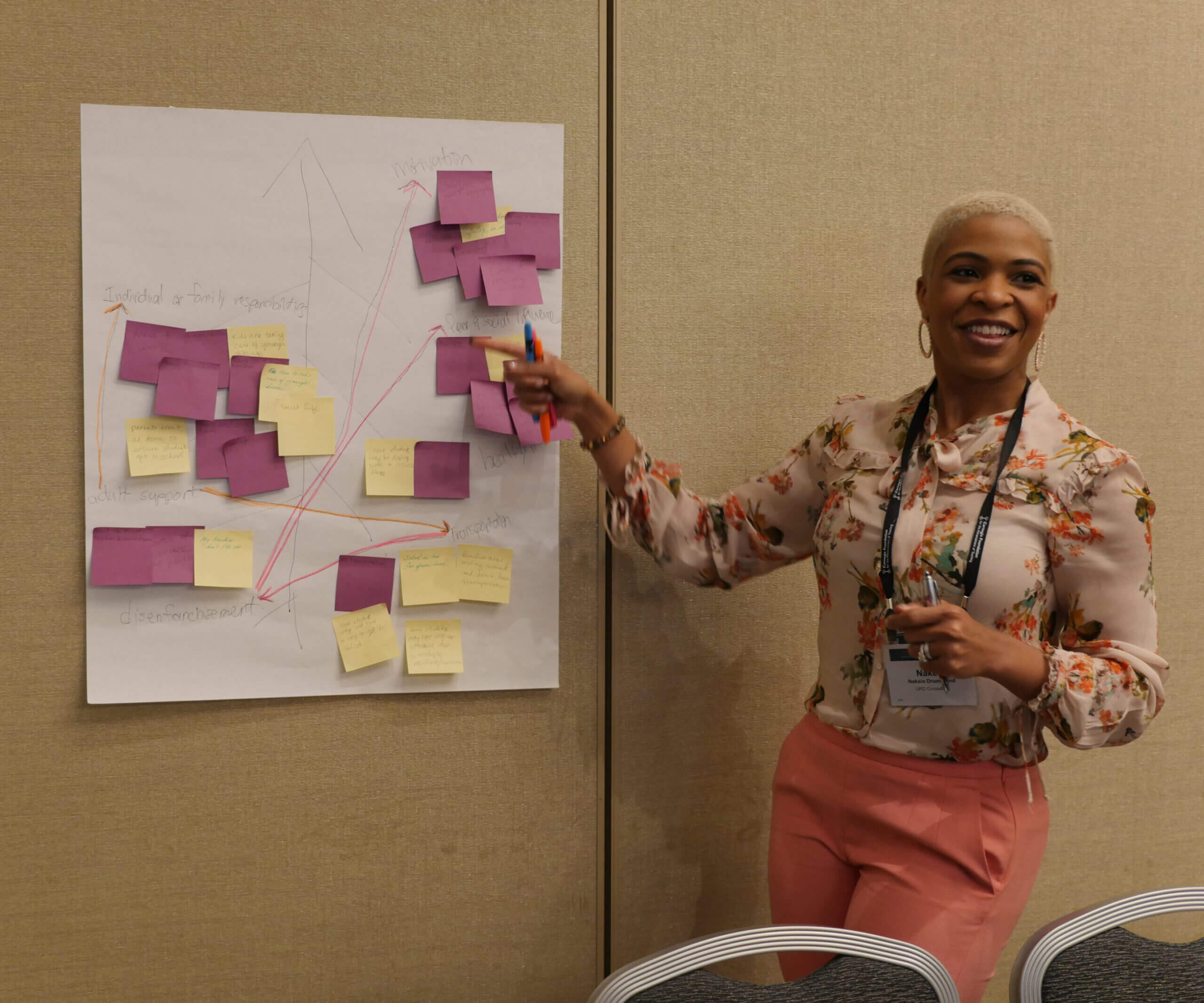
Identify measurement needs
You need to identify the process or leading outcome in your theory of improvement related to the driver you are focusing on. To help you figure out what to create a measure of, ask yourself:
- What do you expect your change ideas to move—that is, what are your change ideas meant to change?
- What do you need to know in the short term related to your primary driver?
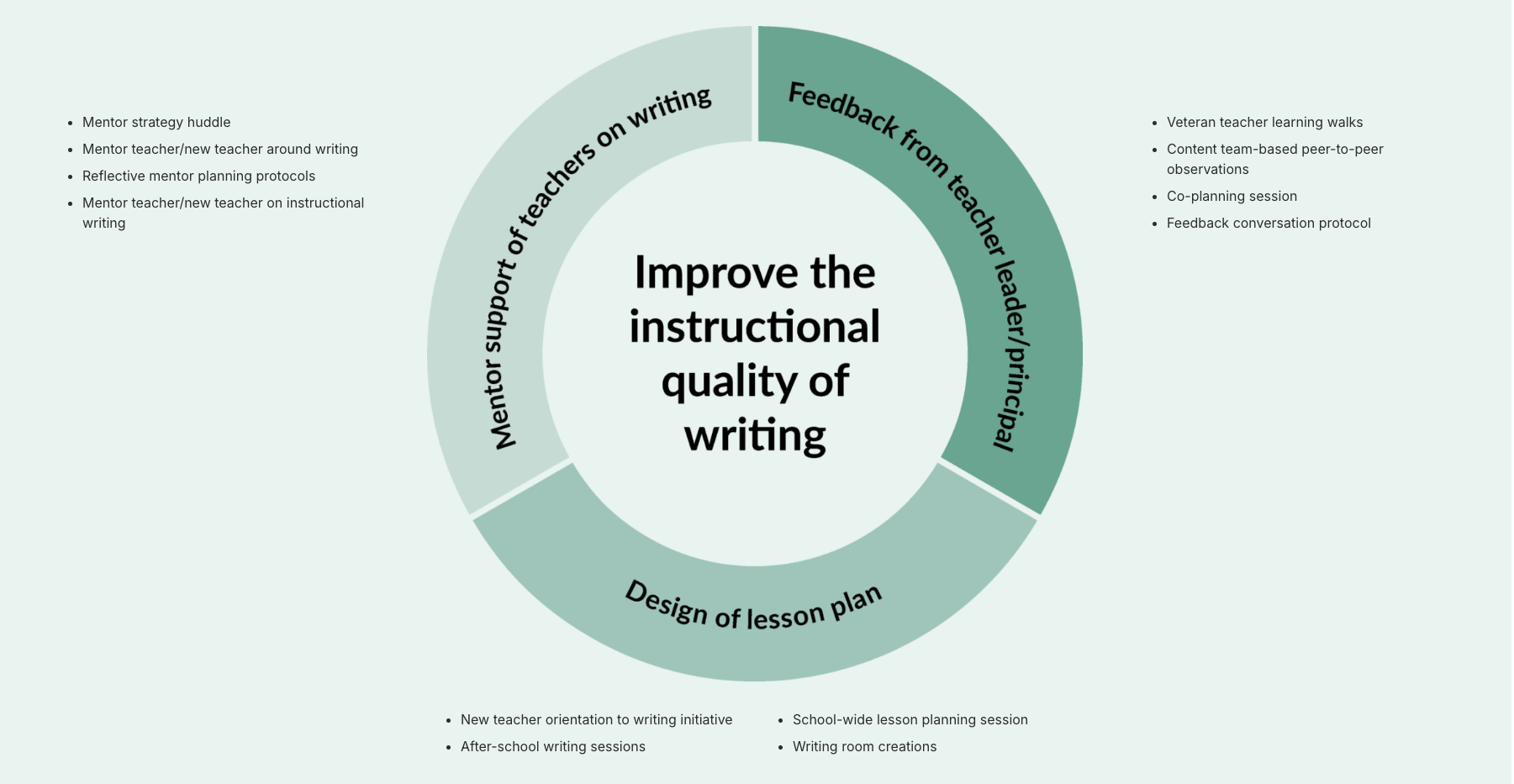
Practical Measures from the Primary Drivers in Previous Example
- Average duration of time on mentor support on writing
- Average duration of feedback sessions
- Average duration of planning and enacting lesson plans
- Sustained participation in lesson planning
Practical Measure Ex-3

Blog
The Student Independent Writing Time measure is relatively simple and straightforward. It does what the name suggests — tracks the number of minutes students spend in independent writing…

Like continuous improvement, the development and use of practical measurement is a journey. It is rarely linear and often comes with opportunities and challenges. Check out these stories of improvers designing, iterating, and leveraging practical measures to create change in the system. Get ready to be inspired by their experience and lessons learned.

Research Brief
Developing Exit Tickets in an Improvement Network
Ms. Johnson, an English teacher at an urban middle school, was concerned that her students were not doing as well in her class as they could be. Her district had recently…

Websites
WestEd’s Math Practical Measurement
Practical Measures, Routines and Representations
Project for Education Research That Scales (PERTS) Elevate
TeachFX
EQUIP App
Shift’s Online Learning Library
Articles
Practical Measurement
Evidence for Improvement: An Integrated Analytic Approach for Supporting Networks in Education
Measurement for Improvement in Education
Branching Out – Use Measurement Trees to Determine Whether your Improvement Efforts are Paying Off
Practical Measurement for Continuous Improvement in the Classroom: A Toolkit for Educators
Measurement for Improvement


